Weddings and special occasions provide the perfect opportunity to wear jewelry that feels meaningful, elegant, and appropriate for the event. The right accessories can complement an outfit, highlight personal style, and add a traditional touch to a celebration.
With so many designs available, choosing the right pieces can sometimes become difficult. The best approach is to consider the occasion, outfit, level of formality, comfort, and personal preferences before making a selection.
Whether attending a wedding, festival, engagement, family gathering, or cultural celebration, thoughtful jewelry choices can create a polished and memorable appearance.
Start With the Occasion
The type of event should be the first consideration when selecting jewelry. A large wedding ceremony may call for more elaborate accessories, while a small family gathering may be better suited to simpler designs.
Formal evening events often provide an opportunity to wear statement pieces, whereas daytime celebrations may work better with lightweight jewelry.
Understanding the setting can prevent accessories from feeling either too excessive or too understated.
Consider the Role You Have at the Event
The jewelry appropriate for a bride may be very different from what a wedding guest should wear. Brides often choose elaborate pieces because jewelry is an important part of traditional bridal styling.
Wedding guests can still embrace traditional fashion but may prefer fewer statement pieces. This allows them to look elegant while maintaining an appropriate distinction from the bride.
Match Jewelry With Your Outfit
The outfit should play a major role in jewelry selection. Consider its color, neckline, embroidery, fabric, and overall design before choosing accessories.
A heavily embroidered outfit already contains substantial visual detail. In such cases, carefully selected jewelry can enhance the look without creating too much competition.
A simpler outfit offers more flexibility. Statement earrings, layered necklaces, or a decorative headpiece can provide additional visual interest.
Choose Earrings That Complement Your Style
Earrings are often one of the first accessories people notice. They frame the face and can influence the entire appearance.
A traditional Maang Tikka can work beautifully with statement earrings, especially for bridal and festive styling. The two pieces can create a coordinated appearance when their colors, patterns, and level of detail complement one another.
For a classic ethnic look, traditional earrings remain an excellent choice. Their cultural character allows them to work with many types of wedding and festive clothing.
Why Jhumka Earrings Remain Popular
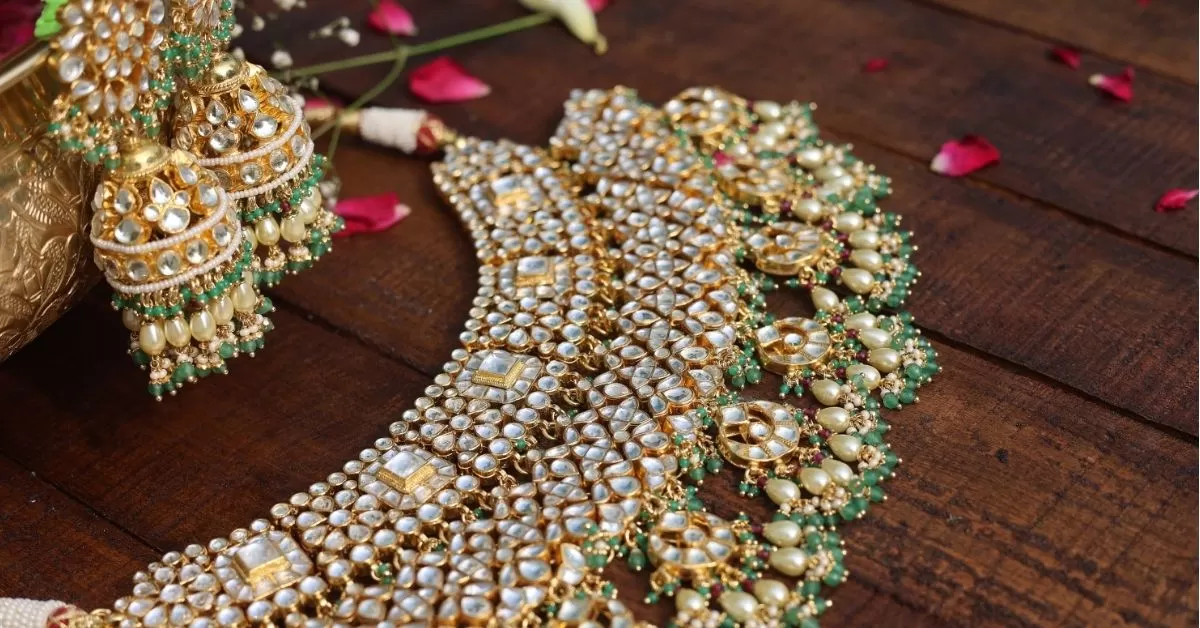
Among traditional earrings, Jhumka designs continue to be popular because of their distinctive appearance and versatility.
The bell-shaped silhouette has a strong connection with South Asian jewelry traditions. Jhumkas can be worn with sarees, lehengas, salwar suits, kurtas, and other ethnic outfits.
Their popularity also comes from the variety of designs available. Smaller versions can provide subtle elegance, while larger designs can create a statement look for formal celebrations.
Selecting the Right Size
The size of an earring should complement both the outfit and the occasion.
Large jhumkas can work well with simple clothing or formal evening events. Medium-sized designs can provide a balanced option for weddings and festive gatherings.
Comfort should also be considered. If the event is expected to last several hours, lightweight designs may be more practical.
Adding a Headpiece to the Look
Headpieces can add a traditional finishing touch to wedding and festive outfits. The Maang Tikka is particularly popular because it highlights the center of the face and complements traditional hairstyles.
When selecting a headpiece, consider the hairstyle and other jewelry being worn. A large headpiece may require simpler earrings or necklaces, while a delicate design can work with more noticeable accessories.
The aim should be to create a balanced appearance rather than making every accessory equally prominent.
Consider Color Coordination
Jewelry color can influence the overall appearance of an outfit. Gold-toned pieces often work well with warm colors, while silver-toned jewelry can complement cooler shades.
However, jewelry does not have to match the clothing exactly. Contrasting colors can create an attractive effect when used thoughtfully.
For example, a simple outfit can provide a neutral background for colorful jewelry, while a brightly colored dress may pair better with jewelry that has more subtle tones.
Balance Statement Pieces
Statement jewelry can make an outfit memorable, but wearing too many bold pieces at once can make the overall appearance feel crowded.
Choosing one primary statement piece is often a useful approach. This could be a pair of large earrings, an elaborate necklace, or a decorative headpiece.
The remaining accessories can then support the main piece without competing with it.
This principle works particularly well for wedding guests who want a polished appearance without excessive styling.
See also: A Complete Guide to Choosing Apparel for Company Events and Team Branding
Consider Comfort for Long Events
Weddings and celebrations can last for several hours. Guests may spend much of the day moving between different ceremonies, meeting relatives, taking photographs, and participating in activities.
Comfort should therefore be part of the jewelry selection process. Earrings that are too heavy or necklaces that feel restrictive may become difficult to wear over time.
Lightweight designs, secure fastenings, and comfortable construction can make a significant difference.
Trying jewelry before the event is also useful. It allows you to identify potential comfort issues before the celebration begins.
Choose Jewelry You Can Wear Again
Special occasion jewelry does not need to be limited to one event. Selecting versatile pieces can make a jewelry collection more practical.
Traditional earrings can often be worn at festivals and family gatherings after a wedding. Similarly, a simple necklace or headpiece may work with several different ethnic outfits.
Choosing timeless designs rather than highly specific trends can increase the number of occasions on which a piece can be worn.
Traditional Jewelry With Modern Fashion
Modern fashion provides plenty of opportunities to combine traditional jewelry with contemporary clothing. A pair of traditional earrings can add cultural character to a modern outfit, while a classic headpiece can create an interesting contrast with contemporary styling.
This combination allows people to celebrate cultural heritage without following a completely traditional fashion formula.
It also makes jewelry more versatile, particularly for younger people who want accessories that work across different parts of their wardrobe.
Finding Jewelry for Weddings and Celebrations
Selecting the right jewelry becomes easier when a collection offers different designs for different occasions. Shoppers can then compare traditional, contemporary, statement, and minimalist options according to their needs.
Jida Jewels offers jewelry inspired by South Asian traditions, making it possible to explore pieces for weddings, festive celebrations, and other special occasions.
For those looking for traditional and contemporary jewelry styles, provides collections that can complement different outfits and personal preferences.
Conclusion
Choosing jewelry for weddings and special occasions is about finding the right balance between tradition, personal style, comfort, and the nature of the event.
Classic pieces such as the Jhumka and Maang Tikka continue to offer timeless options, while modern interpretations provide greater flexibility for contemporary fashion.
By considering the outfit, occasion, colors, proportions, and comfort, anyone can select jewelry that enhances their appearance and remains useful beyond a single celebration.

 By
By