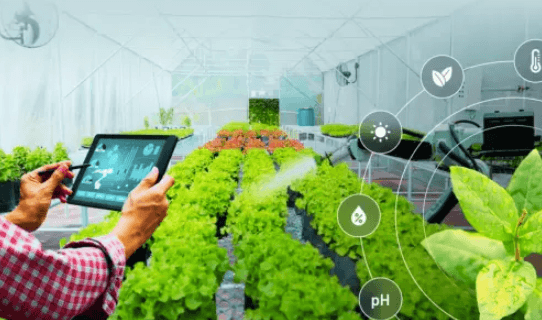
Technology is reshaping agriculture through sensors, data analytics, and automation. Precision tools enable real-time soil and canopy monitoring,Improving resource use and enabling rapid decisions. Drones and AI forecast yields and conditions, supporting scalable, data-driven farming. Across irrigation, pest control, and harvest planning, integrated systems aim to cut waste and raise stability. Yet governance, ethics, and access will shape adoption, leaving essential questions unresolved as the field advances.
What Technology Is Changing Modern Agriculture
Technology is reshaping modern agriculture by integrating precision tools, data analytics, and automated systems to optimize inputs, yields, and sustainability. From sensors to platforms, stakeholders measure performance, costs, and risk with transparency. Data privacy considerations frame collaboration, while farming subsidies influence investment, adoption, and resilience. Market access correlates with traceability, efficiency, and trust, enabling farmers to navigate evolving regulations and competitive, freedom-enabled markets.
How Sensors, Drones, and AI Boost Yields and Efficiency
Sensors, drones, and AI are turning agricultural data into actionable insight, enabling precise input applications, timely interventions, and higher efficiency across fields.
The approach relies on robust sensor networks to monitor soil and canopy, informing yield optimization strategies.
Drone mapping provides rapid field surveys, while AI forecasting guides management decisions, supporting scalable, data-driven practices and resilient, freedom-first farming futures.
Smart Farming Across the Value Chain: Irrigation, Pest Control, and Harvest Planning
Smart farming at the value chain level integrates irrigation, pest control, and harvest planning into a unified, data-driven system. The approach enables continuous monitoring, automated adjustments, and precise resource use, reducing waste and environmental impact.
Impact assessment reveals gains in yield stability, while policy implications focus on data sharing, accountability, and incentives that align farmer autonomy with collective resilience and sustainability goals.
Barriers, Ethics, and the Path to Sustainable Tech-Driven Agriculture
Despite the promise of data-driven agriculture, several barriers impede rapid adoption, including cost barriers for smallholder farmers, uneven access to high-speed connectivity, and limited technical capacity to deploy and maintain advanced systems.
Barriers and ethics must guide implementation, balancing innovation with farmer autonomy.
Transparent metrics, data stewardship, and equitable access are essential for sustainable tech driven agriculture and a freedom-centered agricultural future.
Frequently Asked Questions
What Are the Hidden Costs of Tech-Driven Farming for Smallholders?
Hidden costs affect smallholders through data security risks, ongoing service fees, and dependency on proprietary platforms, potentially widening inequities. Data security gaps threaten ownership and trust, while recurring costs challenge financial resilience and long-term, freedom-oriented farming independence.
How Do Farmers Choose Between Competing Agtech Platforms?
Farmers compare options by evaluating total cost, reliability, and data ownership; platform interoperability emerges as crucial for seamless integration and long-term scalability, enabling flexible choice rather than vendor lock-in. Decisions reflect risk, return, and freedom to adapt.
Will Automation Create Job Displacement in Farming Communities?
Automation displacement may occur, but rural employment can adapt through reskilling and new roles in precision farming, data services, and maintenance; communities adapting quickly could offset losses, while policymakers support training, transition funding, and regional diversification.
How Secure Is Farm Data From Cyber Threats?
Security risk is real; farm data faces cyber threats, but robust controls mitigate exposure while protecting data privacy. The analysis emphasizes layered defenses, continuous monitoring, and transparent governance, outlining a forward-looking framework that preserves freedom and resilience for agricultural users.
See also: newsflashburst
Can Technology Improve Soil Health Without Synthetic Inputs?
Technology can improve soil health without synthetic inputs by enhancing microbial diversity, optimizing irrigation efficiency, and accelerating nutrient cycling; data-driven approaches suggest measurable gains in structure, resilience, and yield, while empowering farmers toward greater autonomy and sustainable decision-making.
Conclusion
Technology is reshaping agriculture with measurable gains in efficiency, yield stability, and resource use. Sensors, drones, and AI enable precise irrigation, targeted pest management, and proactive planning across the value chain, while data governance and equitable access remain essential to sustain progress. Barriers exist, yet metrics and transparency drive continuous improvement. Will this data-driven evolution deliver resilient, inclusive farming at scale, balancing innovation with ethics and environmental stewardship? The trajectory is clear: informed decisions propel sustainable growth.


 By
By